Deployement of Le Cube on Lille site
10 Jan 2019
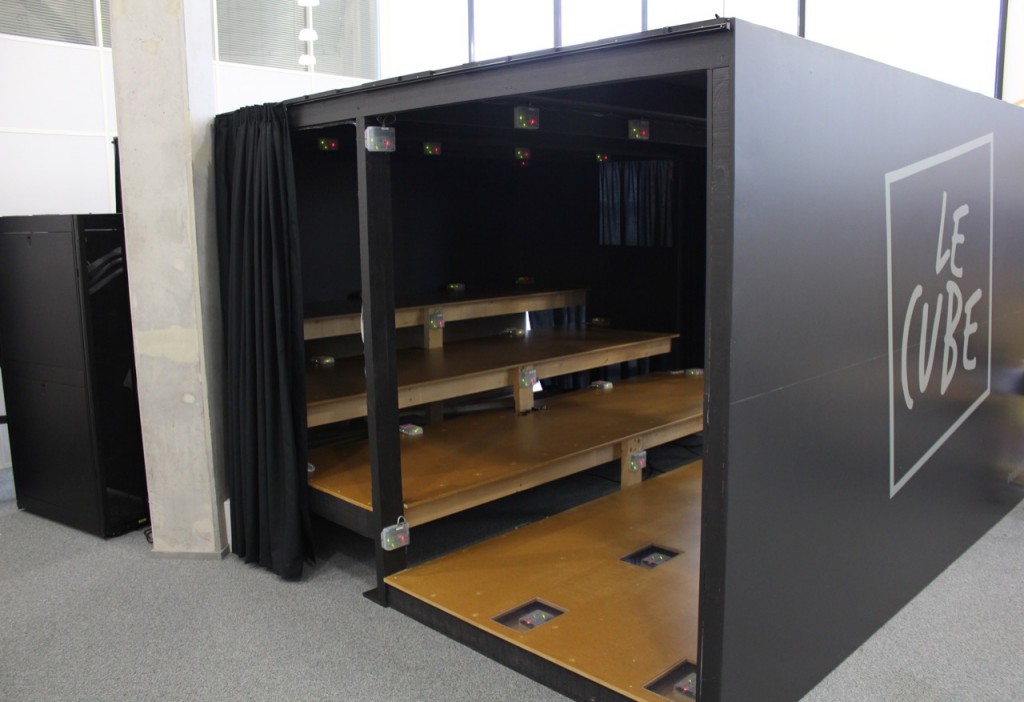
We are very happy to announce the release of a new location for experimentation boards on the Lille site of IoT-LAB.
We’ve added Le Cube, a space for heterogeneous interoperability & compatibility
For now, we’ve deployed boards that are capable of 802.15.4 in both 2.4 GHz and sub-GHz, boards using BLE, and boards using LoRa. They all coexist in a small vicinity:
- 5 Iot-LAB M3 boards
- 5 Zolertia Firefly boards
- 5 ST B-L072Z-LRWAN1 boards
- 5 BBC micro:bit boards
- 5 Microchip SAMR21 boards
The panel of offered MCUs and radio chipsets is intended to grow (total available is 64), and can include your own boards, just follow our documentation to start, and we’ll be glad to physically plug them in LeCube.
We hope you will enjoy working with this new space.
New boards available on Saclay site
22 Nov 2018
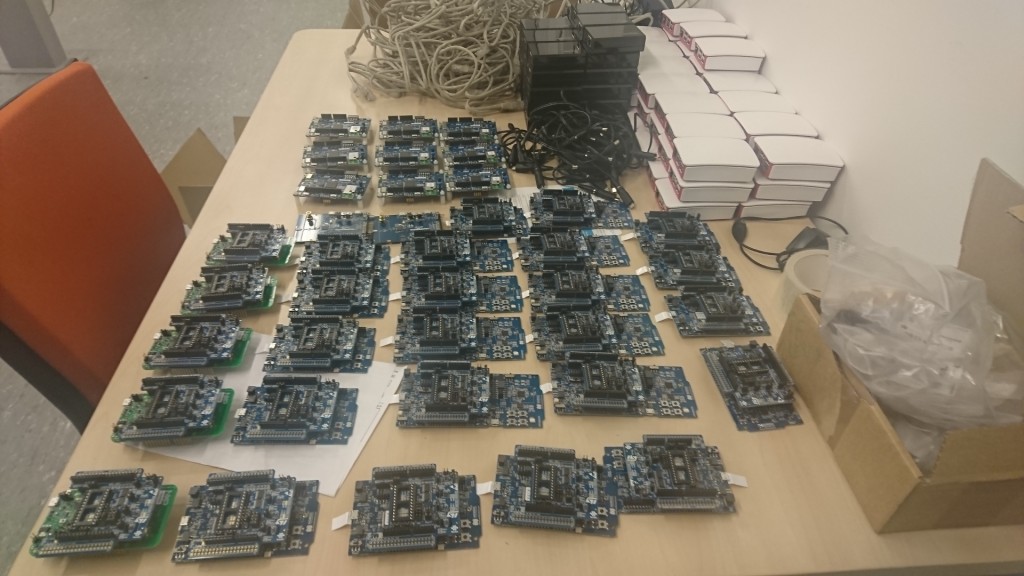
We are very happy to announce the release of a new batch of 46 boards on the Saclay site of IoT-LAB.
With these new boards, the possibilities already provided by IoT-LAB are even more extended:
- The boards are from different vendors: NXP, Microchip, ST, Nordic, Phytec, etc
- The boards provide different radios: 802.15.4, BLE, WiFi, Sub-GHz
The boards with 802.15.4 radio are deployed in the same room in order to allow developers testing wireless connectivity between heterogeneous platforms. Nodes with BLE radios are deployed in another room and are quite close to each other.
For more details on the deployment, please have a look at the Saclay site deployment page.
We recall that adding support for new boards can be done by anyone: just follow our documentation.
We hope you will enjoy working with these new boards.
New Web portal
28 Sep 2018
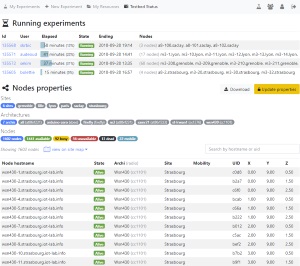
We are glad to announce the release of our new Web portal.
The new Web portal covers everything from the previous site, with some new features.
What’s new:
- Faster dashboard with live experiments state
- Intuitive ergonomic UI for experiment submission
- Testbed status page with running experiments and nodes properties
- Account management with user profile
Additional features will be added in the upcoming months as we complete them.
The portal is built with the Vue.js framework and leverages a new version of IoT-LAB public REST API.
New boards available on IoT-LAB: Zolertia Firefly and Arduino Zero
22 May 2018
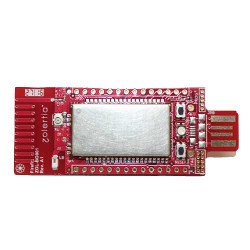
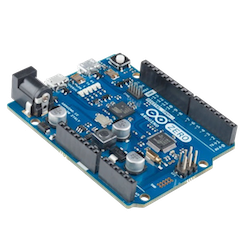
After the addition of SAMR21 and LoRa boards we want to formally announce the availability of new types of boards on some IoT-LAB sites, which will permit a wider range of possibilities on the testbed.
- 9 Zolertia Firefly boards, featuring two radios (2.4 GHz 802.15.4 Zigbee and sub-GHz), have been deployed on the Lille site. They are deployed throughout the building and, depending on the firmware you flash, will enable heterogeneous networking with co-located regular M3 boards.
- 3 Arduino Zero boards with XBee shields have been deployed on the Saclay site. They are close to the existing M3 and SAMR21 boards and thus allow to test 802.15.4 (2.4GHz) interoperability between different types of radio.
If you have some hardware that you would like to see deployed on Iot-LAB, check out this documentation to implement the initial support and we will help you to finalize the on site deployment.
Don’t hesitate to reach out to us on https://github.com/iot-lab/iot-lab/issues/ for any issue you might have with the new boards.
New LoRa/Sigfox boards available
14 May 2018
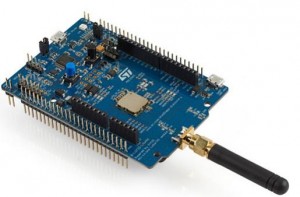
We are very proud to announce you the availability of 25 new LoRa/Sigfox boards in FIT IoT-LAB. The boards are ST B-L072Z-LRWAN1 boards with ST MEMS extension X-NUCLEO-IKS01A2 and are only available in Saclay site for the moment.
One important thing is the restricted access to these boards: due to the regulated access to the ISM wireless bands in Europe (LoRa EU868 band), we will grant the access to them only for specifically approved users.
Please send a request by email to admin@iot-lab.info explaining your motivation and detailing your use case if you want to use them.
A new tutorial is written to guide you through your first steps using LoRaWAN with RIOT and TheThingsNetwork.